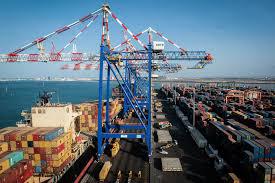
A growing range of shipping services, congestion at Europe's ports, and an efficient rail connection between the port and the rest of Sweden.
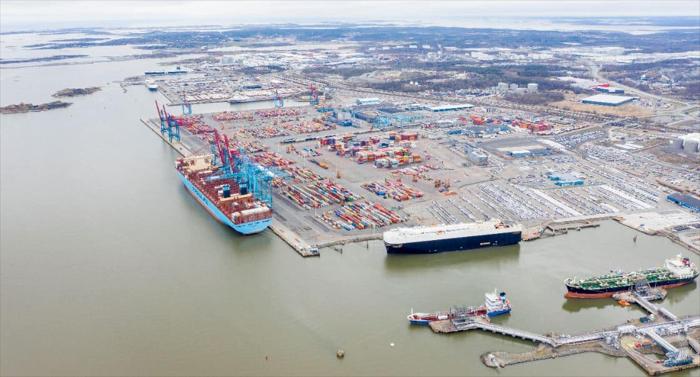
These are key reasons why 2025 became a new record year for the Port of Gothenburg, with 934,000 handled TEUs. This represents growth of 4% compared with the previous year and is also the highest full-year volume ever recorded in the port's history.
Claes Sundmark, Vice President Sales & Marketing at the Port of Gothenburg, stated that record volumes are proof that the port has become even more attractive as a logistics hub, while other major ports in Europe have struggled with capacity challenges during the year.
Container volumes at the Port of Gothenburg are also growing considerably faster than in Sweden's other ports combined.
The Port of Gothenburg's ambition is for as large a share as possible of cargo to and from the port to be transported by rail.
In 2025, container cargo transported by rail increased by 5 percent to 529,000 TEU also a new all-time high. The share of containers transported by rail is now just over 60 percent.
The Port of Gothenburg's intra-European RoRo traffic consists of rolling cargo units loaded onto vessels with frequent departures to strategically important freight hubs in Northern and Central Europe, as well as the United Kingdom.
In 2025, 525,000 units were handled, a marginal increase compared with the previous year.
The Port of Gothenburg is also the largest vehicle port in the Nordic region and handled 251,000 vehicles during the year.
After three quarters, volumes were down 9 percent compared with the same period the year before, but following a strong recovery in the fourth quarter, the decline for the full year amounted to 2%.

Valenciaport has taken a new step towards the launch of the project aimed at creating a support point for the Ministry of Interior in border control, with the arrival of the container where the equipment will be installed.
The container arrived at 8 a.m. at the Port of Valencia facilities, and works have begun installing the control equipment.
This project, with a budget of €584,767.59, is co-financed by the European Union through the European Internal Security Fund and seeks to strengthen border security at the ports of Valencia and Sagunto.
These new facilities enable improved management of external borders, ease the management of migration flows, and prevent, detect, and investigate actions related to terrorism and other serious crimes.
The container installed at the Port of Valencia will house this equipment.
The infrastructure has large windows, thermal insulation, lighting, furniture, and state-of-the-art technology for reading passports and assisting travelers. In addition, the facility is equipped to operate efficiently in identifying verification and immigration control procedures.
Its design ensures efficient and secure operation, allowing identity verification and control procedures to be carried out efficiently and with full guarantee.
The project involves the implementation of the Entry and Exit System (EES) and the European Travel Information and Authorization System (ETIAS). For these matters, the acquisition of verification and monitoring tablets, as well as registration tablets, are planned.
The EES system allows for the recording of entry and exit data, as well as the refusal of access to third-country nationals crossing the external borders of Member States.
On the other hand, the ETIAS system is designed to assess whether the presence of these travelers poses a risk to public safety or health, and to manage travel authorization on that basis.
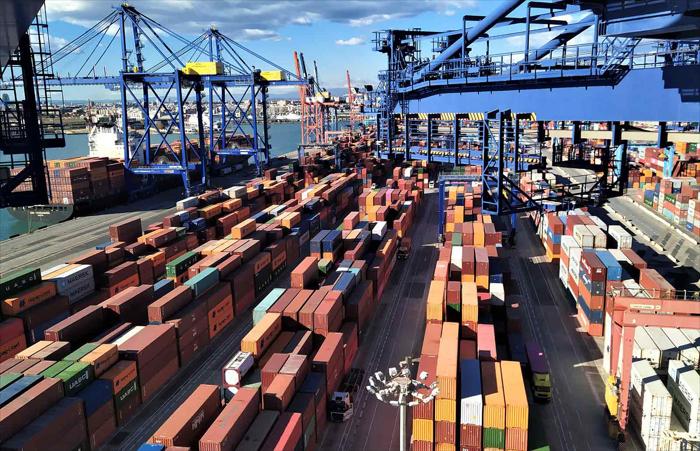

JNPA SEZ recorded a robust performance in container handling during Calendar Year 2025, reflecting increased trade activity and growing confidence among EXIM stakeholders.
During CY 2025, JNPA SEZ handled a total EXIM volume of 20,693 TEUs, compared to 16,312 TEUs in CY 2024, registering a year-on-year growth of approximately 26.86%.
The significant rise in overall container throughput highlights enhanced industrial operations, improved logistics efficiency, and higher cargo movement through the SEZ.
Commenting on the performance, Shri Gaurav Dayal, IAS, Chairperson, JNPA, stated: "The strong growth in overall EXIM volumes at JNPA SEZ during CY 2025 reflects the increasing trust of trade and industry in the SEZ's infrastructure and facilitation capabilities.
The JNPA Special Economic Zone spans a total area of 277.38 hectares. Of this, 129.73 hectares have already been leased, while 34.16 hectares remain available for future leasing.
Currently, the SEZ hosts 11 operational units along with one Free Trade Warehousing Zone, reflecting steady industrial activity and scope for further development.
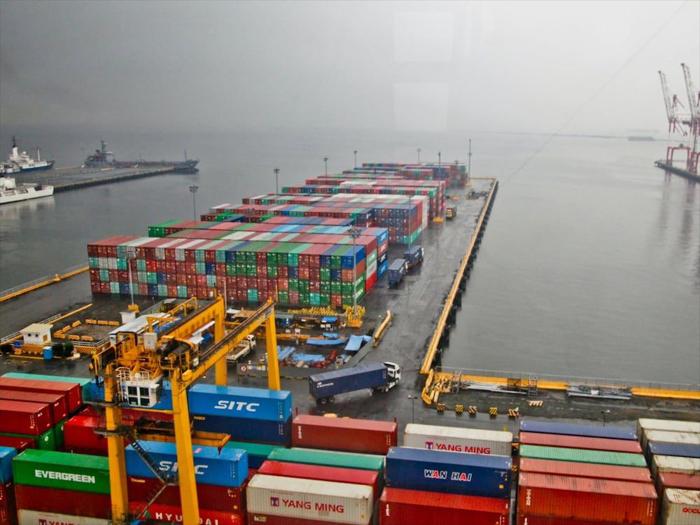

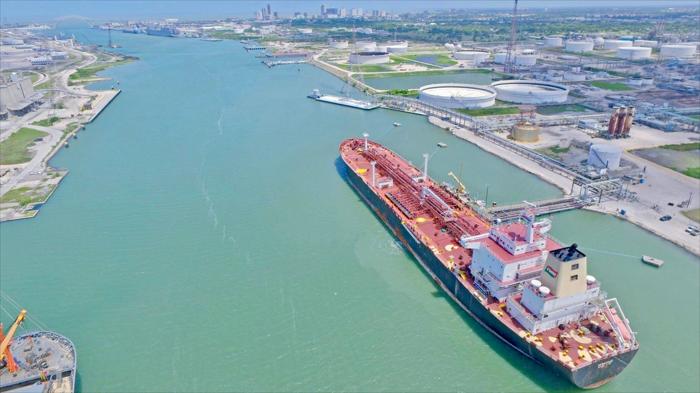
The Port of Corpus Christi handled 203.4 million tons of cargo in 2025, down 1.5% from 206.5 million tons in 2024.
Liquefied natural gas (LNG) exports remained a bright spot. Volumes rose 15.4% year on year to 18.6 million tons. In contrast, crude oil shipments declined 2.3% to 127.4 million tons. Dry bulk fell 2.5%, while agricultural cargo dropped sharply by 54%.
In the fourth quarter of 2025, port customers moved 50.1 million tons, compared with 54 million tons in the same period of 2024, which remains the port's record quarter. Crude oil, refined products, and LNG led volumes during the quarter.
The port also marked a major milestone in 2025 with the completion of the Corpus Christi Ship Channel Improvement Project (CIP). The four-phase project deepened the channel from 47 to 54 feet and widened it from 400 to 530 feet, with additional barge shelves. The upgrades allow the port to accommodate larger vessels and rising customer demand.
Since 2015, the Port of Corpus Christi has invested USD 1 billion in capital projects. The port said it will continue investing in infrastructure to support long-term growth and maintain its global competitiveness.
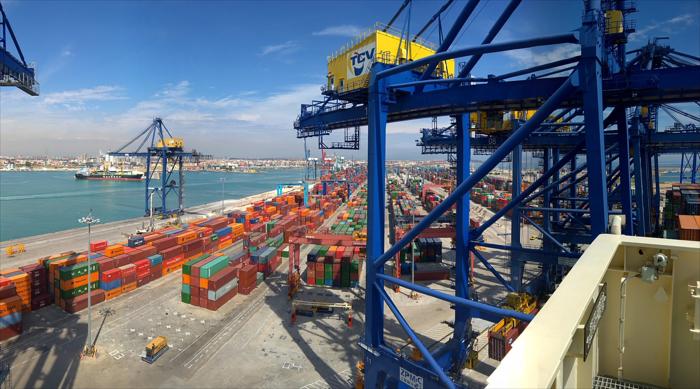
Valenciaport's port facilities closed 2025 with a positive balance in container traffic, handling a total of 5,662,661 TEUs, representing an increase of 3.41% over the previous year.
In terms of general cargo, the ports of the Port Authority of Valencia handled 80,061,993 tonnes, a slight decrease of 0.75%.
In terms of containers, exports grew by 5.56% and imports increased by 15.55% during 2025.
These increases reinforce Valenciaport's role as a strategic logistics and services platform for foreign trade and market supply.
In 2025, China occupied the top spot in Valenciaport's trade rankings, followed by Italy and the United States.
These markets continue to be the main partners of the ports managed by the Port Authority of Valencia.
Regarding traffic trends, the highest growth rates for the year as a whole were recorded in countries such as China, Algeria, and France.
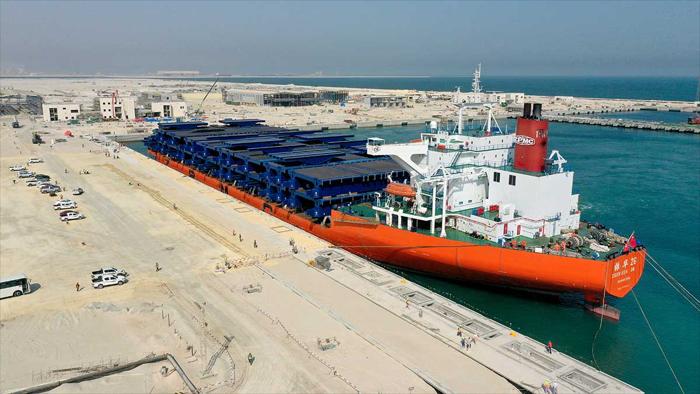
The Saudi Ports Authority (Mawani) has signed a SAR 139 million contract with Singatac Arabia to establish a manufacturing center for offshore structures and platforms at Ras Al-Khair Port. The 100,000 m2 facility will include warehouses, specialized equipment, welding systems, and cranes to support oil and gas offshore projects.
The project is expected to create over 500 direct and indirect jobs, enhance the port's handling capacity, and strengthen Saudi Arabia's position as a regional logistics and maritime hub. The contract aligns with the National Transport and Logistics Strategy and Saudi Vision 2030 goals to develop advanced maritime industries, promote national talent, and adopt cutting-edge technologies.
Ras Al-Khair Port, with 14 berths and a 35 million-ton handling capacity, serves as a key gateway for exports and is connected to mining sites via rail, supporting efficient cargo operations and global trade.
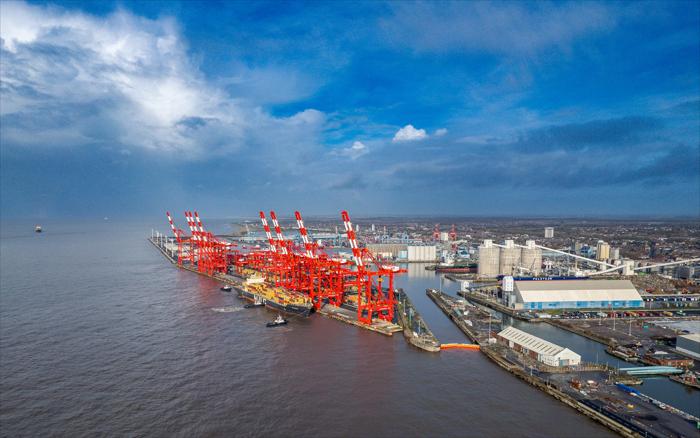
Peel Ports Group and E.ON have marked a major sustainability milestone at the Port of Liverpool, with the first electricity now generated from nearly 7,000 solar panels installed on the new Alexandra Dock warehouse ('Alex Shed'). This is the first phase of a wider project that will see up to 48,000 panels installed across the port, creating the UK's largest roof-mounted solar array.
The solar project is part of a 25-year partnership between Peel Ports and E.ON, expected to cut 4,700 tonnes of COe per year, equivalent to removing 1,600 cars from the road annually. Once fully operational, the array will deliver 25 MW of electricity, meeting a quarter of the port's annual energy needs, comparable to the yearly consumption of over 10,000 UK homes.
Peel Ports aims to secure 50% of its energy from renewable sources by 2030, with this initiative contributing directly to its net zero target by 2040. All work was completed within the existing port footprint, with materials transported by sea to minimise community impact.
Lewis Mcintyre, Managing Director - Port Services, said: "By transforming warehouse rooftops into clean energy assets, we are taking large-scale action to decarbonise a critical national gateway. This project shows how ports can lead the transition to renewable energy, delivering long-term benefits for customers, communities, and the environment."
E.ON's Vijay Tank added: "The first grid connection of this major solar project is a big leap towards creating a clean energy system fit for the future."
This milestone builds on Peel Ports Group's recent achievement of a 48% reduction in Scope 1 and 2 emissions over five years.

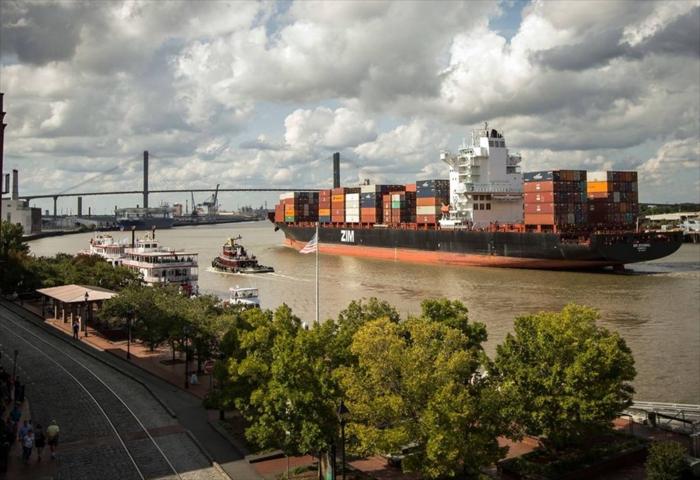
The container shipping company is offering a new weekly service between several major ports in Venezuela and the United States.Israeli container shipping company ZIM has announced that it will open a new container route between Venezuela and the US.
In a post on LinkedIn, ZIM CEO Eli Glickman says the new route will offer weekly departures between the Venezuelan ports of Puerto Cabello and La Guaira and major US ports such as New York, Miami, Houston, and Savannah.
The transit time on the route will be 11 to 19 days, depending on which US ports are involved, according to the post.
ZIM thus appears to be eyeing new business opportunities in Venezuela in the wake of the US’ seizure of the South American country’s president, Nicolás Maduro
He is now imprisoned in the US awaiting prosecution, while the Trump administration is working to gain access to Venezuela’s oil resources.
Red Sea Container Terminals (RSCT) has officially begun operations at Sokhna Port, marking a major milestone for Egypt's container handling capacity and regional trade connectivity.
The terminal was developed by a consortium including CMA CGM, COSCO SHIPPING Ports, Hutchison Ports, and CMA Terminals. It is located at Ain Sokhna, close to the Suez Canal, and is designed to serve as a key hub linking Asia, Africa, and Europe.
RSCT features a record-depth basin of up to 19 metres, allowing it to accommodate all vessel sizes and container types. Phase I includes a 1,200-metre quay with an 18-metre depth and an initial annual handling capacity of 1.7 million TEUs.
The terminal is equipped with remotely operated ship-to-shore cranes and automated RTG cranes. Operations rely heavily on fully electric cargo-handling equipment, supporting safer, more efficient, and lower-emission terminal operations.
The inauguration ceremony was attended by Egypt's Prime Minister Dr. Mostafa Madbouly, Deputy Prime Minister for Industrial Development and Minister of Transport and Industry Kamel El-Wazir, Suez Canal Authority Chairman Admiral Osama Rabie, and Suez Canal Economic Zone Chairman Walid Gamal Eldin. CMA CGM was represented by Christine Cabau Woehrel, Executive Vice President Assets. The event was marked by the port call of the CMA CGM IRON.
RSCT strengthens Egypt's position as a regional maritime hub and supports the country's Vision 2030 strategy. Lastly, the terminal offers direct access to major global shipping routes and close integration with nearby industrial and logistics zones.
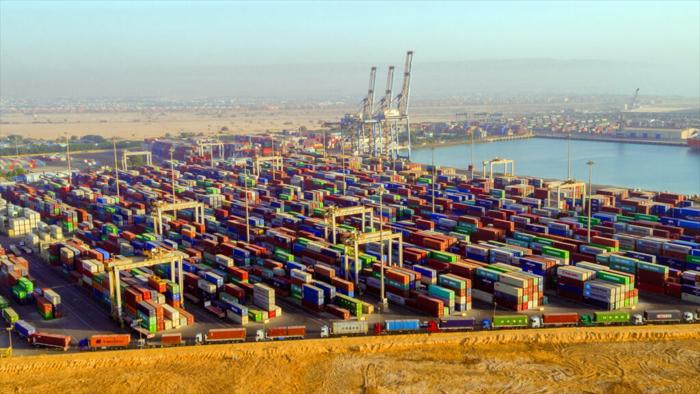
Egypt's Holding Company for Maritime and Land Transport and Djibouti's Djibouti Ports and Free Zones Authority have signed a memorandum of understanding to cooperate on the development of a new container terminal in Djibouti, according to Dynaliners.
The agreement also involves Great Horn Investment Holding, with all parties being state-vned or state-controlled entities. The planned terminal will be located within the Doraleh port area in Djibouti.
Under the proposal, the facility could eventually be developed with a quay line of up to 1,450 metres, a design draught of 18 metres and an annual handling capacity of up to 5 million TEU.
According to Dynaliners, the project aims to strengthen port infrastructure and container handling capabilities in the strategically important Horn of Africa region.