

We, JIANGSU SUNSHINE INT'L LOGISTICS CO.,LTD-GUANGZHOU BRANCH, being a member of MTG, GPLN, WWPC, AA, WCA, WIFFA were established in 1998 with headquarter located in Jiangsu, China.
Our service include Traditional Air and Ocean Freight Forwarding, Warehousing, Customs Clearance, Delivery. Besides, Sunshine Logistics also majored in the project cargo movement from China to worldwide and inland transportation in China for oversized and heavy cargo, port service, door delivery, cargo destuffing and even import shipments.
We are also registered and acting under ISO9001.
if you also need assistance from/to China we are always at your disposal.
if you have any ongoing or potential business or sale lead, please let me know and we will do our best of course.
I have been in Sunshine for over 2 years, Trust we can win more business together.
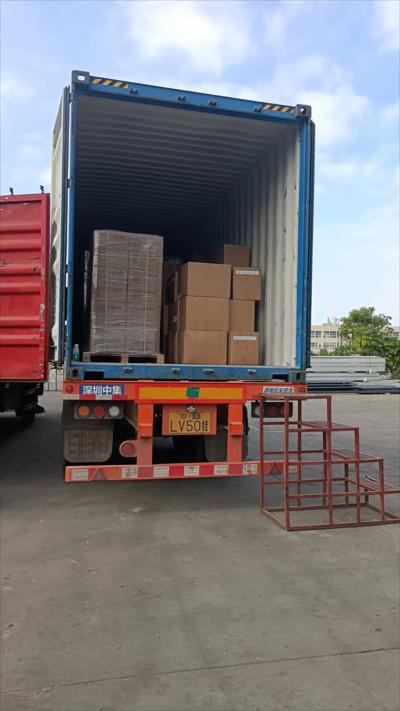
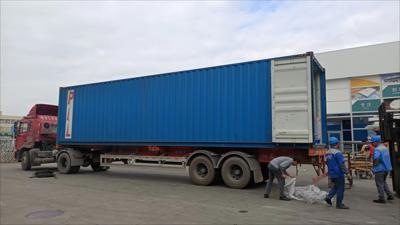
If you need freight forwarding, you can call me.
WhatsApp:+86 18476972618

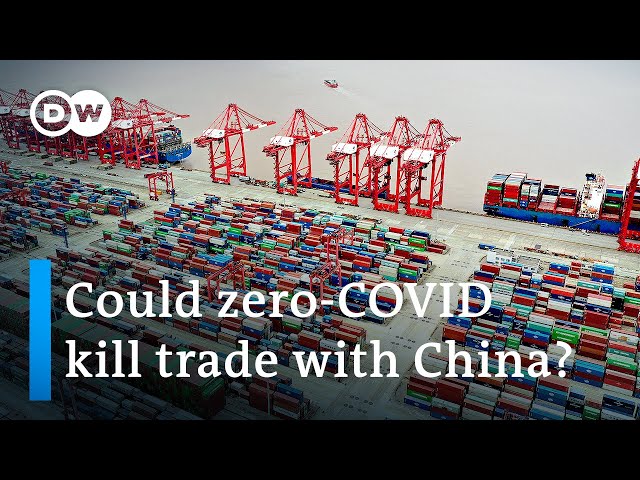
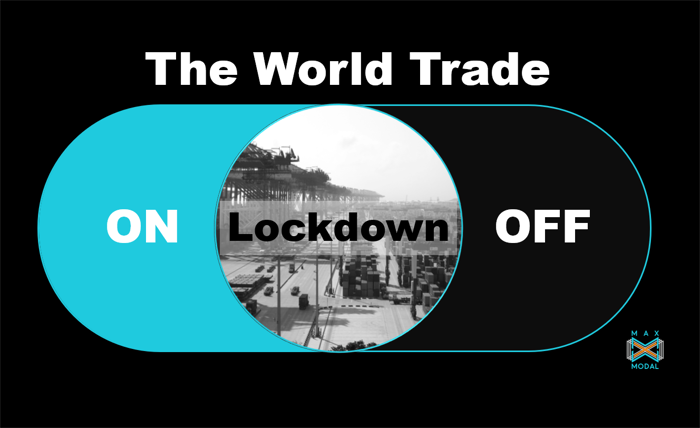
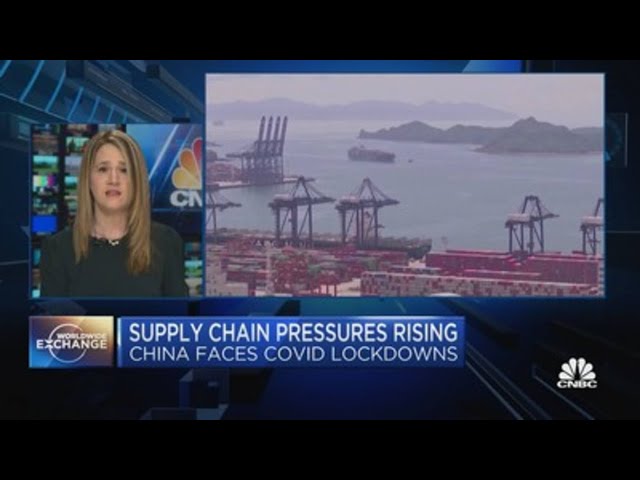
On Monday, some Shanghai residents stepped out for the first time in over two weeks as the city took the first moves toward easing the Covid-19 lockdown.
Despite the limited reopening, the shipping backlog is unlikely to be alleviated.
Shanghai Port lacks space for refrigerated containers. Sea shipping companies are rerouting cargo for intermediate storage until the blockade is eased. Dangerous goods are also transferred to other ports for unloading.
Truck drivers entering locations as Shanghai ports, airports and factories must have a negative COVID 19 test within the last 24 hours. As the country struggles to process millions of tests at once, the requirement has created a logistic nightmare for moving goods.
In China, trucks dominate local transportation, carrying about three-quarters of all cargo. Limited truck availability caused prices to have more than tripled this year. The supply chain is disrupted due to the lack of trucking capacity.
Exports are proceeding relatively smoothly, but imports have stopped because truck drivers cannot simply enter or leave the port. The dwell time of imported containers at Shanghai Port reached 8 days, an increase of 74% from March 28.
Nanjing is the latest port to report an outbreak of Covid, and many of the port's operations along the Yangtze River have been closed. The Yangtze River traffic was already suffering from a shortage of pilots.
Carriers, including Maersk and ONE, have begun canceling calls in Shanghai instead to provide multimodal transport services such as land to water and rail. Some shipping companies have reduced efficiency by 30% due to a lack of trucking at the port.
Shippers are trying to reroute cargo from Shanghai via Ningbo, especially in Jiangsu, Anhui and Sichuan. At the same time, more Covid19 cases have been detected in Ningbo. Beilun is full due to traffic congestion in Ningbo due to the blockade of Shanghai. Space is tight and there is a shortage of 40ft and 40HC equipment
On Tuesday, Apple supplier Pegatron announced that it had stopped production at both its Shanghai and Kunshan plants due to COVID19 restrictions.
No one knows exactly when the blockade will end. There is growing concern that the blockade in Shanghai is just the beginning of the many-month challenge. The resulting supply bottlenecks can increase commodity prices by an additional 4% to 5%. China's congestion and increased dwell times pose a threat to the recovery of Los Angeles. At the same time, if authorities can contain and unblock this month's outbreak, the logistic backlog could be addressed in about a quarter.
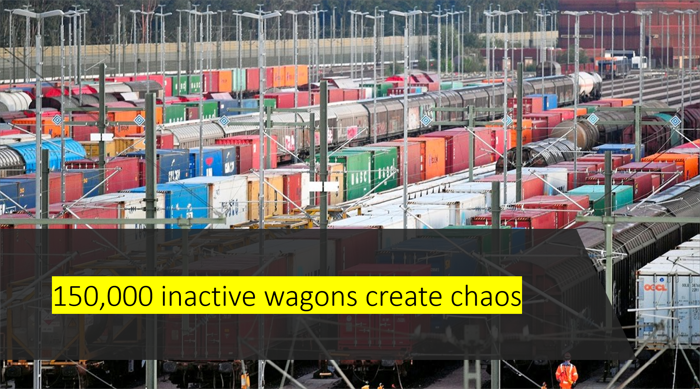
150,000 railcars are inactive in the Russian railway network. The situation is illustrative of the sanctions’ effect on Russia, which also creates a “hard operational environment for rail freight making it difficult to move loaded wagons
I'm a freight forwarder agent in Nigeria if you have any goods coming down to Nigeria I can help you to clear it out for more details you can send me on my Gmail ekundayodamola8@gmail.com or can WhatsApp me with this number +2349092797422

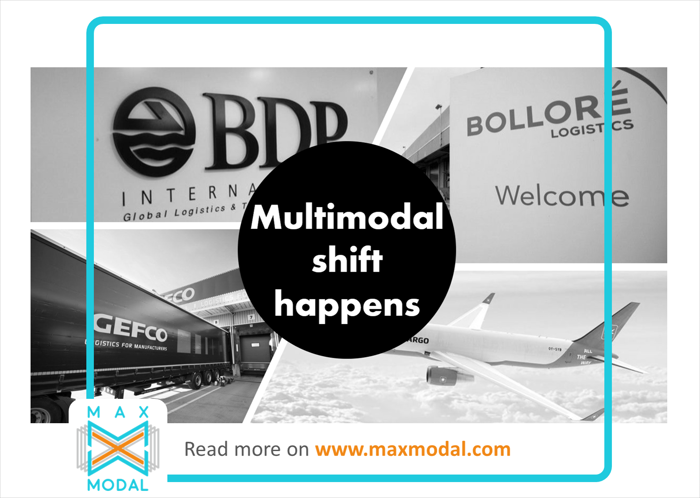
· CMA CGM has been authorized by the European commission to buy GEFCO immediately. The deal price is around $488m. Russian Railways, which is sanctioned since March 2022, controlled GEFCO. Russian Railways bought 75% of GEFCO in 2012 for 800 mln. euros.
· CMA CGM has bought most of Ingram Micro's Commerce & Lifecycle Services (CLS) company for US$3 billion, becoming the fourth largest global contract logistics provider.
· Port of Singapore has acquired logistics company BDP International. The deal will strengthen PSA’s logistics and supply chain competencies.
· MSC buys Bolloré Group’s shipping, logistics, and terminal operations in Africa, as well as its terminal operations in India, Haiti, and Timor-Leste. The enterprise value of the deal is €5.7 billion ($6.4 billion).
· Maersk launched Air Cargo based on its existing integrator operator, Star Air. Billund Airport will serve as a hub.
· CMA CGM has begun a "round-trip" block train service between Mundra Port and Sonipat inland container depot, a northern India hinterland point. The train will be operated on a weekly basis.
Well, these events are just additional proof of a long-term trend that has been initiated by the industry behemoths. The pressure on freight forwarders continues to grow from their former suppliers. The logistics sector is nervous, some of them respond with a mirror strategy – they tend to charter vessels to secure space for their services. And it seems that clients are not the beneficiary of the changes in the market – low schedule reliability, high prices, frequent congestion, and the necessity to operate assets (IKEA, Lidl, Walmart, etc.) just to secure their supply chains. Who then is the ultimate driver of the changes? 😊
Ezeka global logistics is a liance custom freight forwarding company located in Lagos Nigeria,
We provide the services of sea freight and air freight, Trucking, Customs Clearance.
Kindly contact us for your inquiry on
Whatsap contact
+2348136584369
Email: ezekagloballogistics@gmail.com
Whatsapp: 008618824191571
POL: QINGDAO
POD: Sokhna, Jeddah, Aqaba
O/F: USD 5100/6400
ETD: 14/04/2022
FREE TIME: 21 DAYS.