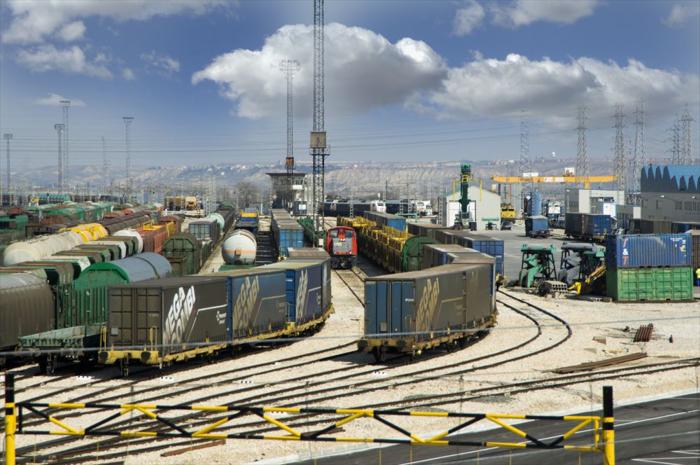
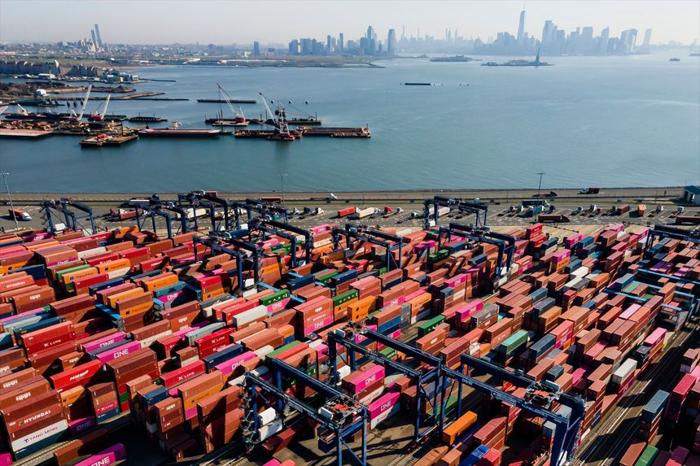
The potential strike on all United States East Coast and Gulf ports is expected to cause severe disruptions in the global supply chain, creating a major headache for shipping stakeholders worldwide.
With operations at 36 major US ports—handling 40-50% of the nation’s imports and exports—facing a potential shutdown on 1 October, the global shipping industry is on edge.
“If the strike does occur, we have reason to envision a detrimental effect on shippers of US-bound goods,” says Han Deng, transportation partner at law firm Reed Smith. “Not only will there be a potential surge in freight costs, but we also anticipate it impacting the ability of retailers to meet the demand for winter holiday operations in the US.”
Notably, in 2023, a one-day shutdown of US West Coast ports caused delays lasting three weeks, with dwell times increasing by up to 148%, according to supply chain platform Project44. Reports suggest that the potential strike on the East Coast could last longer, possibly weeks. Project44 estimates that recovery could take 4-6 weeks for every week of port closures. Similarly, Danish data firm Sea Intelligence predicts that a one-day strike by the International Longshoremen’s Association (ILA) would take five days to clear.
“The effect of such a strike could last long even after it is resolved, with the disruptions mentioned above taking weeks or months to recover, in a high inflation economy with regional conflicts and geopolitical uncertainty,” commneted Deng.
With peak shipping season already underway, Project44 analysts believe it’s too late to divert cargo volumes to the West Coast, jeopardizing holiday inventory and pricing.
Deng also highlighted that the port of New York and New Jersey will be among the most severely affected by the strike. According to nonprofit research group Mitre, the major US port could lose approximately US$640 million per day.
“It is no surprise, then, that the Port Authority of New York and New Jersey is trying to increase operations as much as possible ahead of the looming deadline,” pointed out the transportation lawyer. “This includes encouraging shippers to delivery as much cargo as possible and coordinating with partners across the supply chain.”
According to the port authority, approximately US$240 billion in goods is moved through the port annually.
The lawyer commented, “As we have witnessed massive backlogs at ports, supply chain disruptions, delayed shipping schedules and altered shipping routes through recent history, such as the Covid-19 global pandemic and the March 2024 Baltimore Bridge collapse, similar things would happen again.”
While it’s difficult to draw direct comparisons between eras, it’s worth noting that the last ILA strike on the US East Coast, in 1977, brought ports to a standstill for 44 days.

Welcome a new company on MaxModal. You can see Kool Runnings GA Inc services on their business profile, drop them a message, add them to your contacts or submit a special request to them
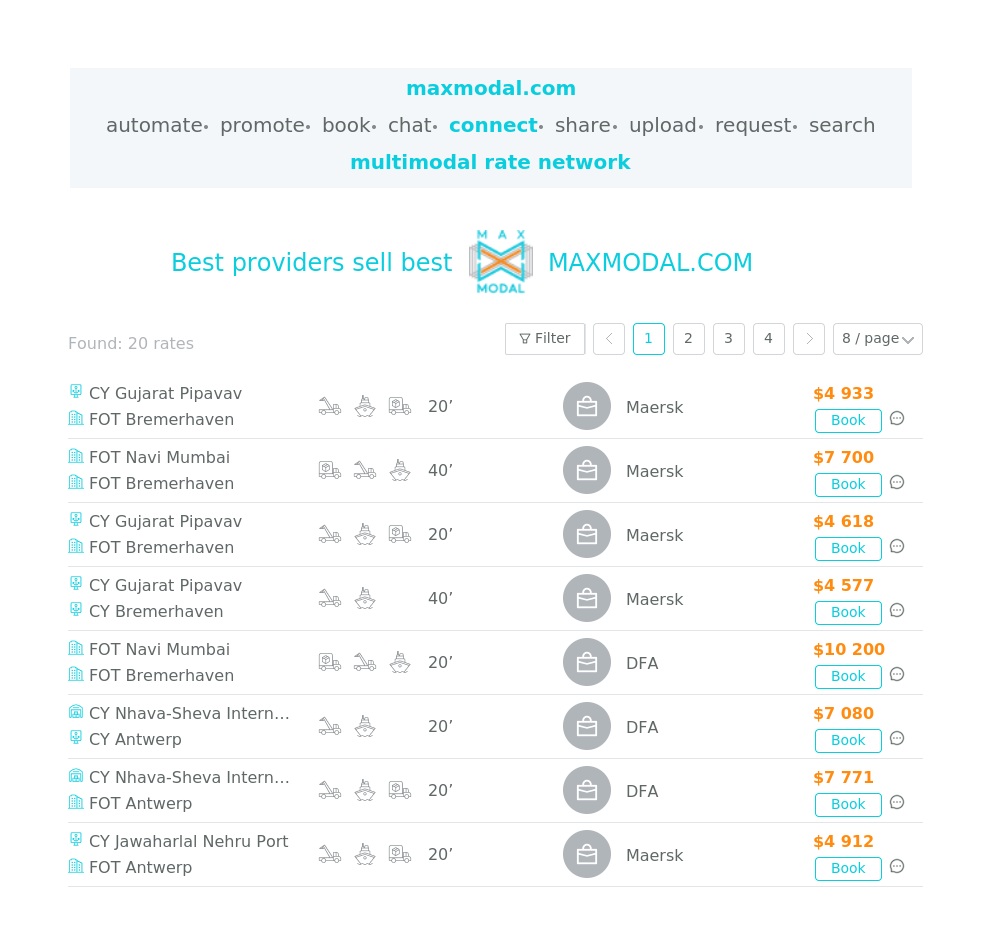
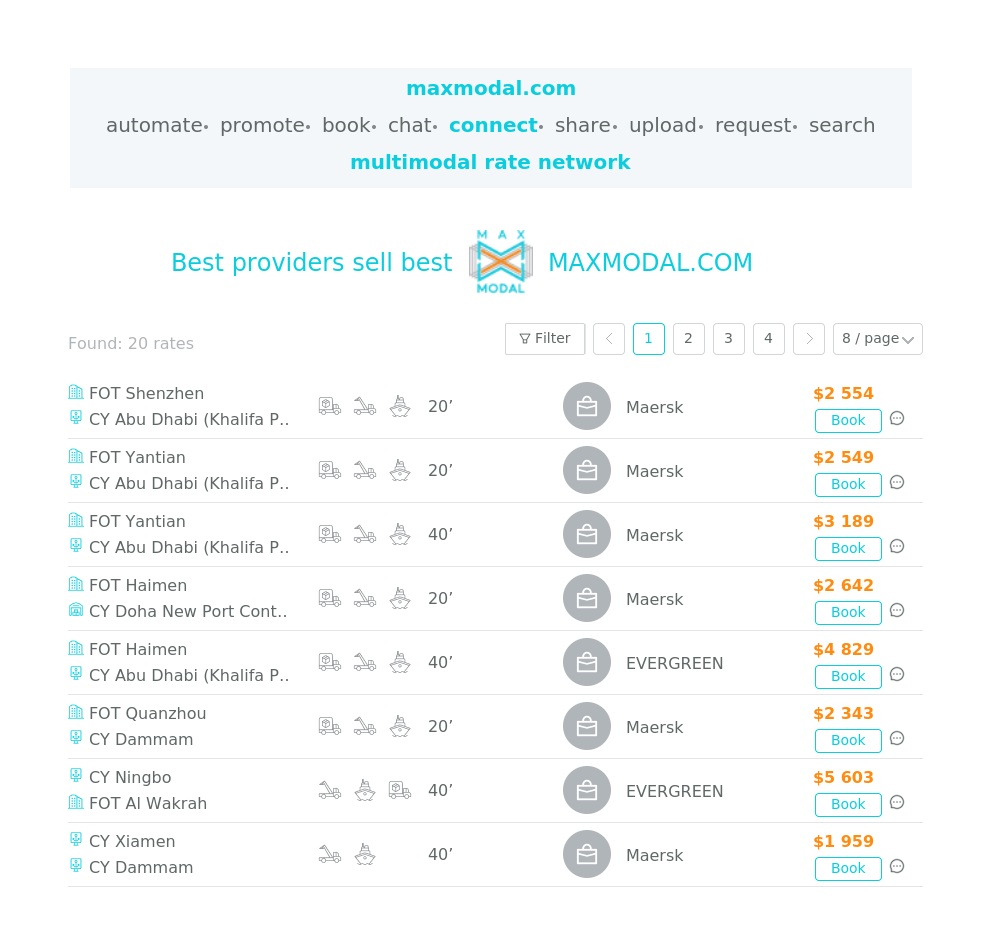
Get the link for freight rates by many providers on maxmodal.com

As ongoing trade disputes between the European Union, the United States and China shape future container market dynamics, Container News analyzed the impact of these disputes on global scape.
In 2023, China solidified its role as a key player in global trade, particularly as the EU’s largest goods importer. This is evidenced by a robust 8.4% increase in China’s cargo and container throughput, amounting to 15.51 billion tonnes. Such growth not only highlights China’s growing influence in maritime logistics but also strengthens its economic ties with Europe.
However, the Port of Rotterdam faced challenges in the first half of 2024, with a slight 0.3% decrease in cargo throughput. Despite this, container throughput witnessed a recovery, increasing by 4.2% in tonnage and 2.2% in TEUs to 6.8 million, driven by heightened demand for consumer goods and adaptations in importer strategies.
Notably, disruptions in the Red Sea leading to the avoidance of the Suez Canal since late 2023 have significantly influenced these dynamics.
Connectivity trends in major European ports like Rotterdam and Hamburg have also shifted. While Rotterdam experienced connectivity fluctuations, possibly due to broader economic and geopolitical pressures, Hamburg displayed relative stability, indicating varied strategic responses to global trade tensions.
In contrast, ports in China showed strong connectivity growth through 2024, with only minor setbacks. Shanghai, despite slight decreases, maintained a general uptrend in connectivity, while Ningbo showed consistent growth.
The US ports, particularly Long Beach, experienced stability in connectivity through 2023 and 2024, although there were notable challenges in early 2024 which were subsequently overcome in the next quarters.
The backdrop of these developments is the trade war initiated in the previous year between the United States and China.
The US imposed increased tariffs on over a thousand Chinese products, citing unfair trade practices, which prompted China to reciprocate with increased duties on American products.
This cycle of retaliatory actions suggests a likely escalation of sanctions as neither side shows a willingness to compromise in negotiations.
The above-mentioned facts drove to the conclusion that China’s significant role in global trade, underscored by its impact on maritime logistics, affected its relationship with Europe, as European ports adjusted to new trade patterns that impacting their connectivity, according to the metrics.
Despite challenges, ports like Rotterdam and Long Beach demonstrate resilience and strategic adaptation to maintain their operational levels.
Overall, it seems that the increased tariffs have directly impacted the operations of ports that heavily handle US and Chinese trade goods, as they are experiencing fluctuations in cargo volumes.
In response to the trade war, some shipping companies and port operators may seek to enhance their efficiency or expand their capabilities to handle goods from other regions, reducing dependence on the US-China trade axis.
This has to be linked with the new announcements of the European shipping companies of new trade services, involving African, Middle Eastern and South Asian ports, as Europe may should reshape its overall maritime shipping strategy, amid a growing trade tension between the United States and China.
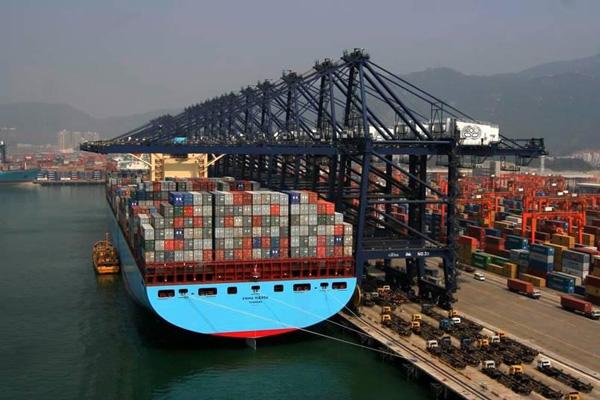

Indian government leaders have promised exporters some notable proactive steps to ease their supply chain pain points, but industry stakeholders remain sceptical about their winnability and value proposition amid multiple challenges.
At a high-level stakeholder meeting held on 19 September to address exporter concerns, officials agreed to extend relief in the form of longer free times for empty containers, lower rail yard fees, faster cargo movements and investment in containership fleet.
Container Corporation of India (Concor), port authorities and Shipping Corporation of India (SCI) have been asked to lead those efforts. Representatives of foreign container lines also pledged to support government efforts.
“The decisions taken by the Ministry of Ports, Shipping and Waterways and Ministry of Railways in the meeting will result in significantly breaking down shipping costs, improving availability of containers, resolving empty containers issue, faster evacuation of export consignments and reducing congestion at the ports,” said union minister of commerce and industry Piyush Goyal said.
Explaining the steps to be implemented, Goyal noted that Concor would allow storage of empty containers at its yard in Nhava Sheva Port (JNPA) free of cost for 90 days, in addition to offering a steep reduction in related container-handling tariffs for boxes staying this period.
Similarly, SCI will provide more capacity to serve Indian export/import trade, while other foreign carriers promised some concessions or downward adjustments in their container transportation rates and lift-on/lift-off charges applied at storage yards.
JNPA chairman Unmesh Sharad Wagh noted various measures being taken to alleviate congestion problems at the port, which he believes would result in quicker clearance of cargo and shorter turnaround times.
Stakeholders also stressed the need to speed up air cargo flows.
Goyal called on all stakeholders to make “concerted efforts to significantly mitigate the difficulties and address the issues faced by the exporters, effectively deploy multi-disciplinary capabilities and adopt ‘whole of the government’ approach to ensure that no logistic difficulty is faced by the exporters.”
The minister went on to explain: “Due to the current geopolitical tensions, the Red Sea crisis, Houthi operations, ongoing wars and its impact on international trade, there was a need to engage with a multidisciplinary team.”
“The government will continue to regularly monitor the situation,” Goyal added.
However, while welcoming the government intervention, industry experts believe as the market remains exposed to disruptive events, supply chain volatility is an industry-wide problem.
According to them, empty container flow has been impacted by longer or unsettled vessel sailing schedules, while ports have had to deal with space pressures due to stronger-than-expected volume surges.
Meanwhile, ocean rates on major export trades out of India have noticeably dropped over the last month or so, but they continue to remain above pre-pandemic market levels.
Welcome a new company on MaxModal. You can see PORTLINE (SHENZHEN) GLOBAL LOGISTICS CO.,LTD. services on their business profile, drop them a message, add them to your contacts or submit a special request to them
Welcome a new company on MaxModal. You can see TRI VIET EXIM CO.,LTD services on their business profile, drop them a message, add them to your contacts or submit a special request to them



Get the link for freight rates by many providers on maxmodal.com

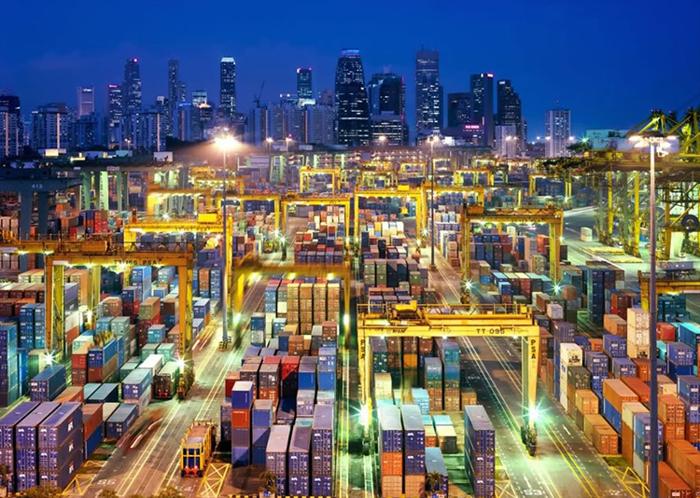
Singapore, the world’s largest transhipment hub, has emerged as one of the clear winners in the forthcoming alliance reshuffle, new analysis from Alphaliner today shows.
With the February deadline for the new alliance structure to begin – with the three main groupings of the Ocean Alliance, THE Alliance and 2M partnership scheduled to reform into the Gemini Cooperation, Premier Alliance, standalone MSC and an unchanged Ocean Alliance – analysis of the new port rotations shows Singapore gaining six more port calls from the Asia-North Europe carriers.
In the South-east Asia region, Singapore’s gain is partly Maersk-controlled Tanjung Pelepas’s loss, the Malaysian transhipment hub losing two Asia-North Europe calls.
Of the of the main Asian gateway ports, Vietnam’s Cai Mep gains two calls, Yantian loses three, Ningbo loses one and Shanghai’s call number remains the same.
In North Europe, the Belgian hub of Antwerp – MSC’s regional hub – is the main victim of the reshuffle. It will lose four Asia-North Europe calls with the Gemini Cooperation’s exit from the port to focus hub-and-spoke transhipment operations on Rotterdam and Wilhelmshaven.
Across the trade, Rotterdam’s Asia-North Europe call count will remain the same, Hamburg gains one call, Bremerhaven loses one and the French gateway of Le Havre gains a call.
In the UK, the competition between Felixstowe and London Gateway will see the former gain two calls and the latter lose two, while Premier Alliance calls at Southampton will keep its count the same.
Alphaliner reports: “Felixstowe will attract more business at the expense of London Gateway. The Premier Alliance will continue the two weekly calls at Southampton of THE Alliance and no longer use London Gateway.”
For shippers and their freight forwarding partners, the shake-up will prove a net benefit, in terms of choice, the analyst suggests.
“The current five 2M loops, two standalone MSC services and four loops of THE Alliance (11 services in total) will be replaced by four loops each for Gemini, MSC and the Premier Alliance – 12 loops in total,” it writes, adding that the seven loops currently operated by Ocean Alliance members CMA CGM, Cosco, Evergreen and OOCL “are expected to remain largely unchanged”.
However, the total port calls across those 12 services cumulatively offered by Gemini, MSC and Premier Alliance will decline, to 132, compared with the 148 currently offered by 2M and THE Alliance – again due to the Gemini Cooperation’s hub-and-spoke network.
The Gemini network will see its direct port calls drastically reduced, compared with Maersk and Hapag-Lloyd’s current direct call count.
“Interestingly, the four Gemini loops will have a total of 28 port calls, resulting in a low average of only seven calls per loop. MSC’s four standalone services will serve no fewer than 55 ports (14 per loop), which is almost double compared with Gemini.
“It shows the different strategies of the current partners, with Maersk and Hapag-Lloyd going for above-90% schedule reliability, while MSC prefers to offer its clients a multitude of direct services to smaller destinations,” Alphaliner writes.
Rail connections from Antwerp and Zeebrugge to Spain are being significantly expanded. Services between Antwerp and Catalonia will become more frequent, and a new rail link to Madrid is being introduced.
Hupac, with Lineas as its traction partner, will increase the frequency of its existing services between Antwerp and Catalonia to 10 weekly departures. The Antwerp-Catalonia Line, which departs from the Combinant terminal in Antwerp, will serve terminals in Perpignan (Roussillon) and Barcelona (El Morrot).
Additionally, Kombiverkehr is launching a new rail service between Antwerp and Madrid. Having begun from 3 September, this route offers direct, twice-weekly service for containers, swap bodies, and hazardous goods, with DB Cargo and Renfe as traction partners. Trains will depart from the Combinant terminal in Antwerp and arrive at the Abronigal terminal in Madrid.