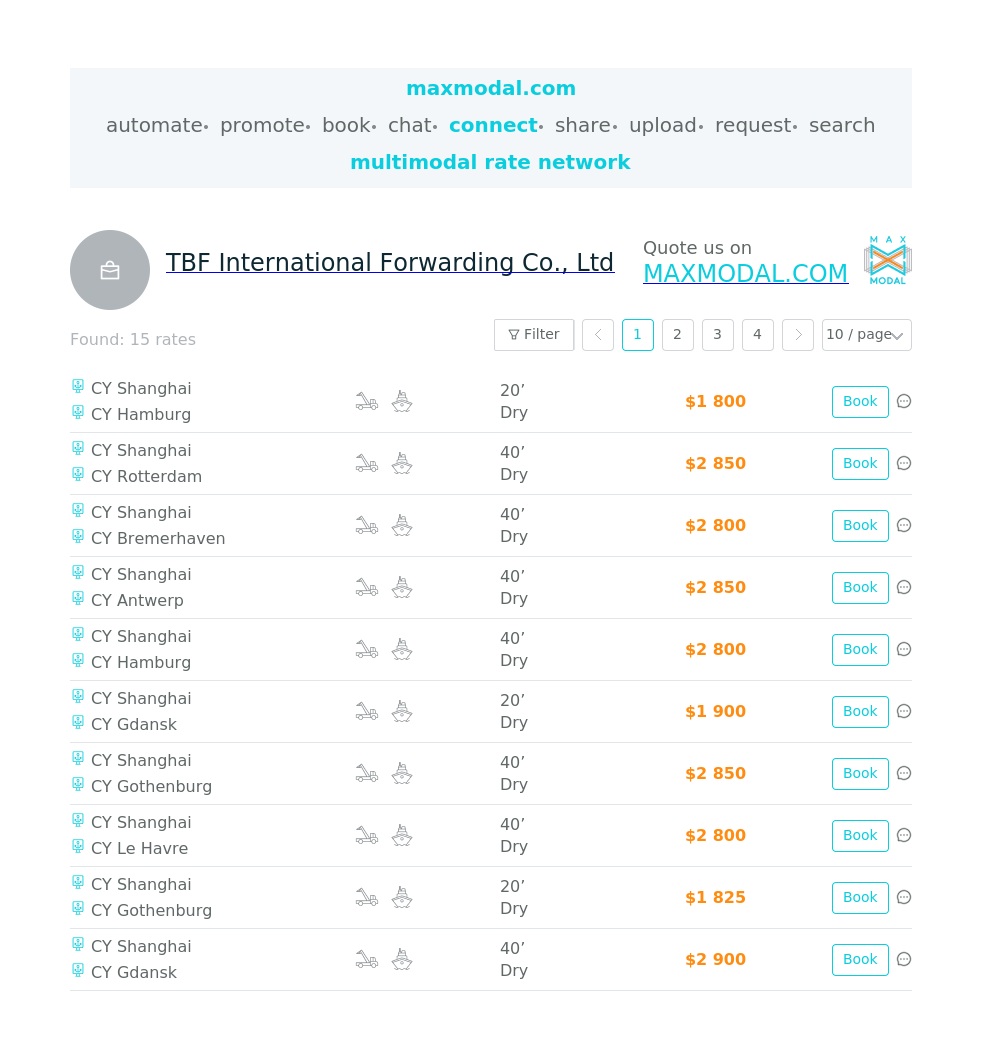
Welcome a new company on MaxModal. You can see TBF International Forwarding Co., Ltd services on their business profile, drop them a message, add them to your contacts or submit a special request to them

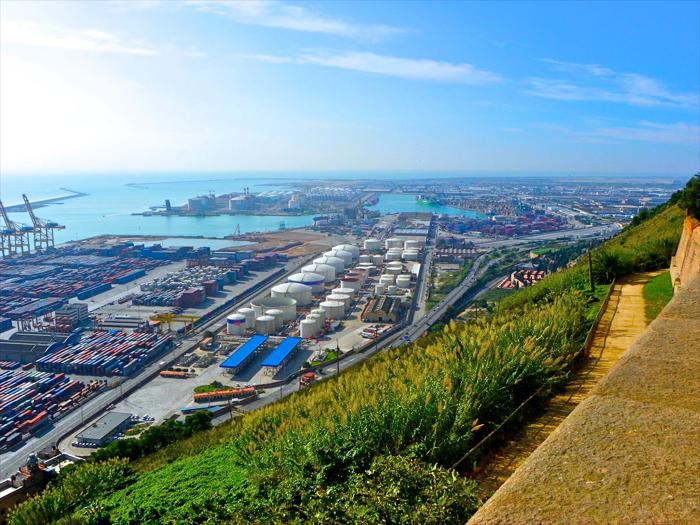
The Port of Barcelona reported solid growth in container traffic and accelerated infrastructure investments during the first half of 2025.
Export and import container traffic rose 10% compared to the same period last year. Full exports hit 365,062 TEUs, up 8%. Imports climbed 12% to 356,399 TEUS, bringing the total to 721,461 TEUS. Strong performance in key markets like Asia and high-demand products such as pork and alfalfa helped drive the increase.
Port General Manager Alex Garcia credited the rise to resilient demand and strong activity from regional exporters.
Port turnover reached €101 million, up 4% year-on-year. Export and import containers alone contributed €1 million to the increase.
Liquid bulk surged 22.1%, totaling 8.25 million tonnes. This was mainly due to rising gasoline and LNG volumes. Dry bulk fell sharply by 21.9%, hurt by strong harvests and a temporary shutdown at the Elian terminal.
Vehicle traffic dropped 6.5% to 362,951 units. But imports and domestic shipping (cabotage) both rose, up 7% and 11%, respectively. ITUs remained steady at 218,237 units.
The port has already tendered out 95% of its planned 2025 investments. That's €314.5 million of the €332.5 million budget. Major works include:
- Phase 1 of Catalunya wharf: €72.3 million awarded
- Phase 4 of Adossat wharf (future ferry terminal): €54.7 million awarded
- Cruise Terminal G infrastructure: tendered at €6 million
- New berths for liquid bulk: €124 million out to tender
- OPS system for MSC Cruises: €12.2 million awarded
- Nou Llobregat rail access (Phase 1): €18 million greenlit
Only one key project remains. A €16 million tender for new medium-voltage electrical lines is expected in September.
Port President José Alberto Carbonell emphasized green initiatives. OPS systems for ferries at Sant Bertran Wharf are now in service. Work has started on OPS for MSC Cruises as well.
The port's first Energy Transition Plan has been approved and will launch soon. The goal: a carbon-zero future.
- The port opened new public spaces at the Fisherman's and Barcelona North wharves.
- Over 15,000 people attended this year's Open Day.
- Japanese company NYK was awarded the third vehicle terminal. It will feature Europe's first fully-automated vehicle silo and a solar system producing over 3,200 MWh annually.

Maersk informed about upcoming railway capacity constraints at the Port of Koper due to significant infrastructure upgrades on the Slovenian public rail network.
These extensive projects are set to intensify between June and December 2025, affecting key rail corridors across the country.
The most notable impact will be on the Ljubljana-Sezana/Koper line, the primary rail connection to the Port of Koper, where considerable disruption is expected.
Specific closures will contribute to the capacity challenges. From 29 June to 30 July 2025, the Divaca-Gornje Lezece section will be fully closed. Additionally, from 4 August to 10 December 2025, one track of the Verd-Logatec section will be continuously closed, limiting throughput on that route.
Further disruptions will occur as reconstruction work begins at Jesenice station in September 2025. Initially, closures will take place over weekends, but starting in March 2026 and continuing until January 2027, rail traffic to and from Austria via Slovenia will face operational restrictions due to these works.
At Ljubljana station, reconstruction is scheduled from 6 October 2025 through January 2026. During this period, only two tracks will remain operational for both freight and passenger transport, which will significantly reduce handling capacity.
These projects combined are expected to reduce rail capacity by up to 50 percent, decrease service frequency, complicate planning, and lead to delays in shipment handling.
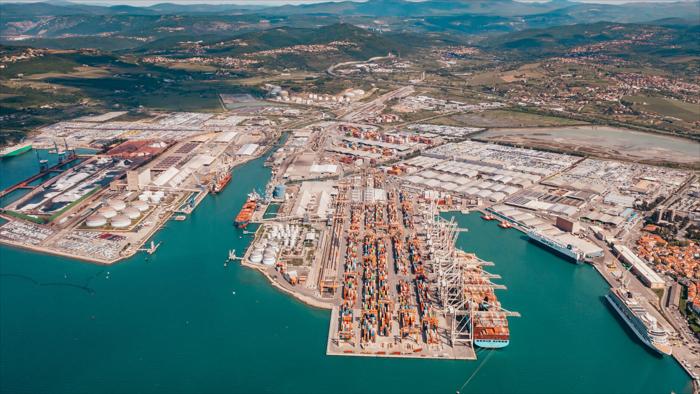

PD Ports has announced that Pontegadea Inversiones has agreed to acquire a 49% equity stake in the company from Brookfield Asset Management, subject to customary regulatory approvals.
Brookfield will retain a majority interest and continue as a long-term shareholder, partnering with Pontegadea to support the sustained growth and development of PD Ports.
As a key economic engine in the UK, PD Ports contributes US$1.89 billion annually to the Teesside economy, supporting over 22,000 supply chain jobs and employing more than 1,400 staff across 11 sites nationwide.
As the Statutory Harbour Authority for the River Tees, the company plays a vital role in ensuring safe and efficient navigation, fostering regional economic development, and building a lasting legacy for future generations.
Frans Calje, CEO of PD Ports commented that this investment reflects strong confidence in their long-term strategic vision.
Pontegadea, a globally diversified investment firm, holds a portfolio spanning real estate, retail, energy transition, and infrastructure. This transaction aligns with Pontegadea's strategy to expand its footprint in innovative infrastructure projects through partnerships with established global players.
The firm brings significant experience in managing scaled businesses and holds strategic stakes in companies such as Inditex, Enagas, REN, Redeia, and Q-Park.
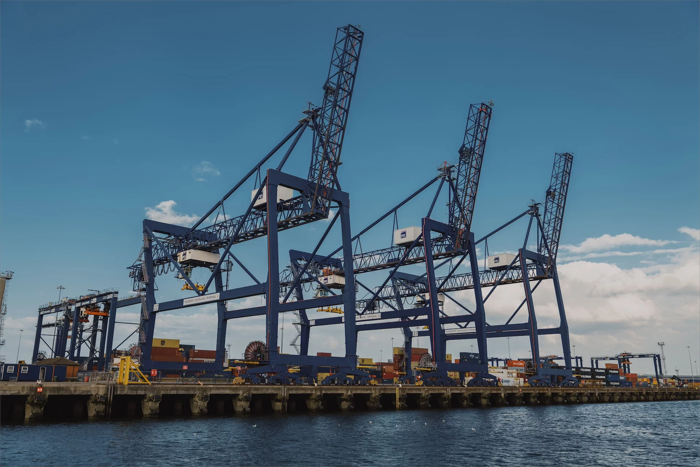

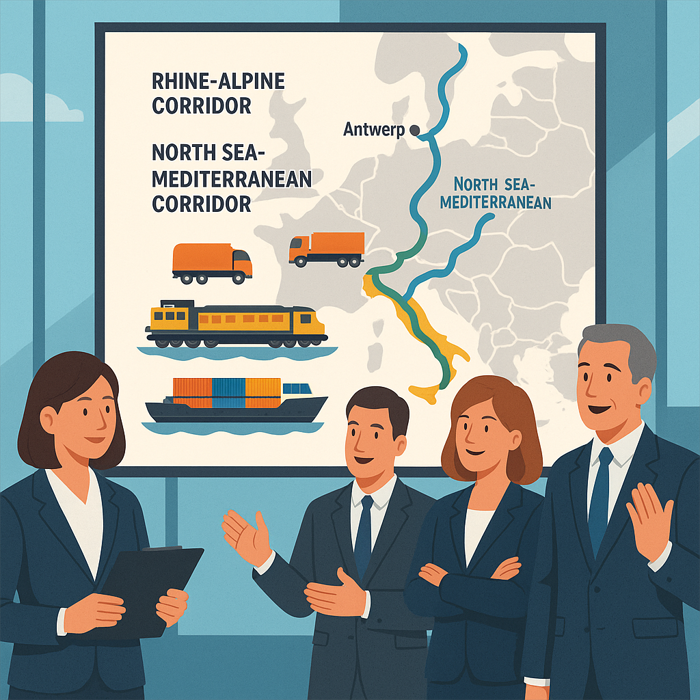
Business leaders are responding positively to the EU initiative merging the Rhine-Alpine and the North Sea-Mediterranean corridors.
They describe it as a “long overdue” decision that could help to ease congestion across the continent’s barge, rail, and road infrastructure.
Due to commence early next year, the alignment of the routes into a single corridor will follow a plan expected to add 10 ports to the network, including Antwerp and Rotterdam, both having struggled with years of inland congestion.
One European rail operator told: “The EU initiative creating the corridor is long overdue. The good news is that it avoids the SNCF network, but let there be no misunderstanding, there are still plenty of challenges.
“Its success will all very much depend on the financing. If the financing is scattered and time-limited, it will become a ‘white elephant’. That means that it will develop as long as the money keeps coming. When the financing stops, the project will perish silently.”
Under the initiative, more than 12,150km of track will be linked into the corridor, which will stretch across seven countries – Belgium, France, Germany, Italy, Luxembourg, the Netherlands, and Switzerland.
Port of Antwerp-Bruges CEO Jacques Vandermeiren said efforts to relocate more cargo through the hinterlands via rail would also help to remove cargo from the continent’s road network, working towards its green pledge.
For its part, Belgium has been keen to bolster its railfreight volumes, with plans in place to increase the rail share through Antwerp to 15% by the start of the next decade, in contrast to the neighbouring Netherlands, which is experiencing declining volumes
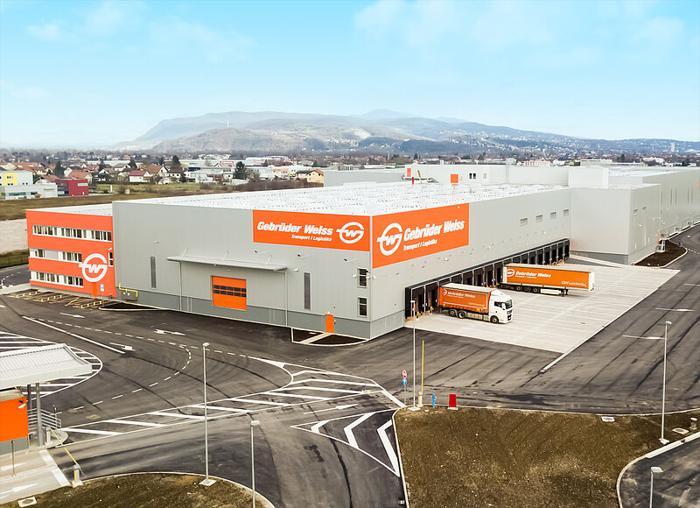
Premium beverages from around the world are gaining traction across China, thanks to the logistics expertise of Gebrüder Weiss. The international transport and logistics company is supporting Jebsen Group's expanding beverage business through a full suite of warehousing and distribution services, helping bring popular brands like Bundaberg Ginger Beer, Fiji Water, and Vita Coconut Water to retailers and e-commerce platforms nationwide.
"Thanks to Gebrüder Weiss's modern supply chain infrastructure and professional team, we've been able to significantly expand our market position," said Gary Chan, Head of Supply Chain, Beverage at Jebsen.
The collaboration between the two companies began in 2017, when Gebrüder Weiss supported Sanyi Wine Trading's launch of Bundaberg in China. Jebsen acquired Sanyi in 2022 and has since focused its efforts on scaling up premium beverage distribution. The logistics provider now handles more than 2,700 orders per year.
At the company's 4,000-square-meter logistics facility in Shanghai, specialized professionals ensure seamless operations. The warehouse was recently certified at Security
Level 3 for meeting high safety standards. Services include temperature- and humidity-controlled storage, order processing using the First-In-First-Out (FIFO) method, expiry date monitoring, labeling and packaging, as well as inventory management.
"The beverage market in China is fast-paced and highly demanding. Our goal is to work closely with the Jebsen team to develop tailored solutions and respond flexibly to changing needs," said Yongquan Chen, General Manager, Gebrüder Weiss China.
Kundzinsala, the fastest-growing area of the Port of Riga, is undergoing a major transformation into a leading center for sustainable energy, modern manufacturing, and smart logistics.
Over the coming years, at least seven new companies including cargo terminals, logistics centers, energy firms, and advanced manufacturing plants are expected to commence operations in the area, creating nearly 800 new jobs and attracting investments exceeding €500 million.
A major milestone in this transformation is the construction of the Baltic States' first renewable fuel production facility for hydrotreated vegetable oil and sustainable aviation fuel. Spearheaded by Amber Flow Fuels, the €120 million project will create 120 highly skilled jobs and is scheduled to begin production in 2027.
The Port of Riga is also advancing an offshore and onshore wind technology manufacturing complex in northern Kundzinsala.
Backed by co-financing from the European Regional Development Fund and the Latvian government, this project is set for completion by 2029. Once operational, it is expected to generate €160 million in exports annually, create 650 jobs, and contribute €7.8 million in annual tax revenue.
Kundzinsala is also playing a pivotal role in Latvia's national security and NATO operations, serving as a logistics and military mobility hub. Infrastructure upgrades co-financed by the European Climate, Infrastructure and Environment Executive Agency have strengthened road, rail, and quay access to the Adazi military base.
To support increased traffic and reduce urban congestion, a new traffic overpass connecting Sarkandaugava to Kundzinsala is under construction, funded in part by the EU Cohesion Fund.
Kundzinsala is also becoming a digital logistics leader. One of Europe's most advanced port control points is currently being developed, featuring six traffic lanes, digital cargo data integration, machine vision for vehicle and person identification, and real-time integration with national control service systems.
This initiative is a key step in building a digitized, automated logistics ecosystem.
Today, Kundzinsala handles 72% of all sea containers in Latvia, serving as the core container logistics center of the Port of Riga. Of the nine companies currently operating in the area, six are involved in containerized cargo.
Many of them are now expanding their facilities with new cargo yards and warehouses to meet rising demand for bulk storage and container capacity.
Ansis Zeltins, CEO of the Freeport of Riga, reinforced this strategic vision saying that as ports have always been national assets and today, the Port of Riga is an engine of economic security.
A new industry report backed by maritime tech company Danelec is putting a spotlight on a major blind spot in ship operations: outdated data practices. According to the study, over 70% of vessels still rely on once-daily "noon reports" for performance monitoring, despite the widespread availability of real-time data solutions that can dramatically improve fuel efficiency and operational awareness.
Titled From Data to Action, the report outlines how this lack of continuous insight could be costing the global fleet millions in fuel costs. A case study included in the findings revealed one crew unknowingly burned through an extra US$4,300 in fuel on a single voyage, an inefficiency that could have been identified and addressed with live data.
"A single noon report might tell you what happened yesterday, but it can't help you make smarter decisions in real time. If you only check your vessel's vitals once every 24 hours, you're operating with blind spots," said Casper Jensen, CEO, Danelec.
The report estimates that vessels equipped with High-Frequency Data (HFD) systems could save as much as 29.7 metric tons of fuel per month, amounting to nearly 9,000 tons over a ship's lifetime. That translates to millions in savings, alongside substantial reductions in emissions.
The pressure isn't just coming from the engine room. Charterers are increasingly looking for proof of performance and transparency, and fleets using live data are in a stronger position to meet those expectations, secure better charter rates, and avoid costly disputes.
"High-Frequency Data doesn't just enhance performance, it builds trust, reduces fuel waste, and unlocks new operational strategies," added Jensen.
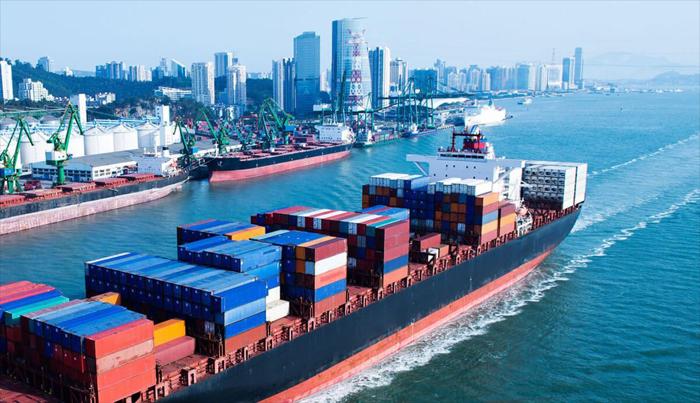

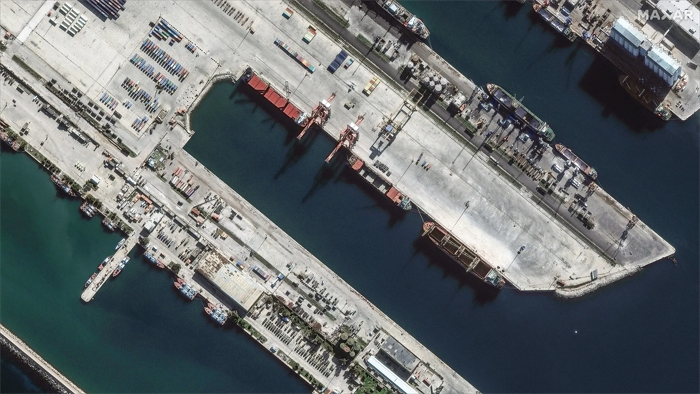
DP World has entered into a landmark 30-year concession agreement with Syria's General Authority for Land and Sea Ports to develop and operate the Port of Tartus.
This long-term partnership marks a significant milestone in Syria's economic recovery, aiming to transform Tartus into a strategic regional trade hub linking Southern Europe, the Middle East, and North Africa.
Under the terms of the agreement, DP World will invest up to $800 million over the concession period. The investment will be directed toward modernizing the port's infrastructure, deploying advanced cargo-handling equipment, and implementing digital solutions to enhance operational efficiency across both container and general cargo terminals.
Structured as a Build-Operate-Transfer model, the project will be fully owned and operated by DP World during the concession term.
Sultan Ahmed bin Sulayem expressed his belief that Tartus has significant potential to become a key trade gateway and we are proud to support Syria's re-entry into regional and global markets.
Qutaiba Ahmed Badawi, Chairman of Syria's General Authority for Land and Sea Ports, commented that modernizing the Port of Tartus will not only strengthen the trade capacity but also contribute to national economic growth and job creation.
Its strategic location complements existing maritime corridors through the Bosporus and the Suez Canal. The port's redevelopment will support a wide range of cargo operations, including containers, breakbulk, roll-on/roll-off, and general cargo.
As part of its broader vision, DP World will also explore the development of free zones, inland logistics hubs, and regional transit corridors in collaboration with local stakeholders, contributing to Syria's economic diversification and integration into the global trading system.
The Port of Tartus initiative expands DP World's footprint in the Middle East and aligns with its mission to foster sustainable economic growth through trade.